

Website performance is no longer a “nice improvement”—it’s a core product requirement. In 2026, user expectations are shaped by instant-loading apps, and search systems heavily reward fast, stable experiences. The foundation of modern performance optimization revolves around Core Web Vitals, intelligent caching strategies, and advanced image optimization techniques.
This checklist is structured for developers building real-world production websites that need to load fast, scale efficiently, and stay stable under traffic spikes.
Core Web Vitals: The Performance Foundation
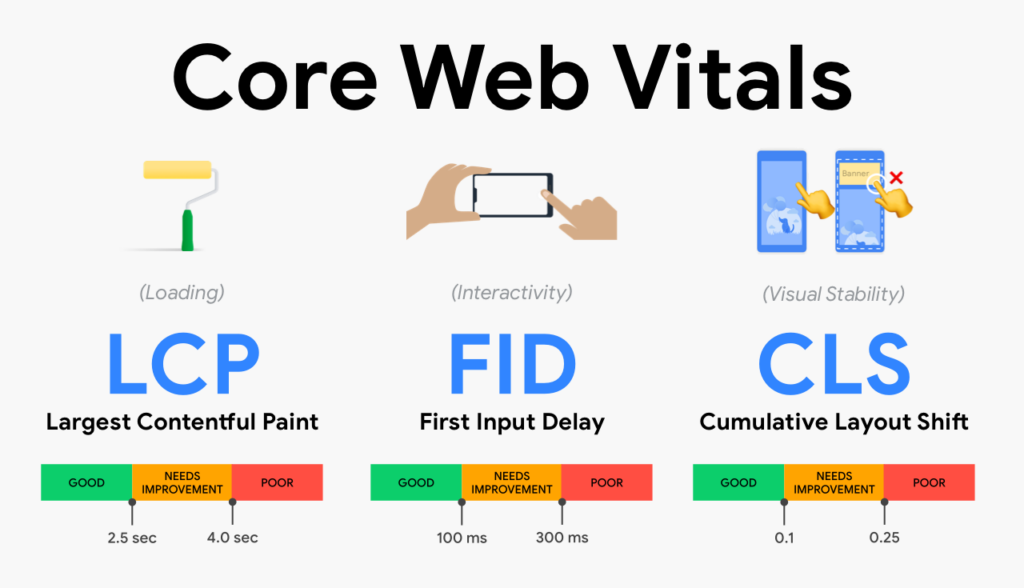
Core Web Vitals are still the most important standardized metrics for measuring real user experience.
Key metrics to optimize:
1. Largest Contentful Paint (LCP)
Measures how long it takes for the main content to load.
Target: under 2.5 seconds
How to improve LCP:
- Optimize server response time (TTFB)
- Use a fast CDN for static assets
- Prioritize above-the-fold content loading
- Preload critical fonts and images
- Reduce render-blocking JavaScript
2. Interaction to Next Paint (INP)
Replaces older interaction metrics by measuring responsiveness.
Target: under 200ms
How to improve INP:
- Reduce heavy JavaScript execution
- Split long tasks into smaller chunks
- Use debouncing for input-heavy interactions
- Defer non-critical scripts
- Optimize event listeners
3. Cumulative Layout Shift (CLS)
Measures visual stability during page load.
Target: under 0.1
How to improve CLS:
- Always define image dimensions
- Reserve space for dynamic content
- Avoid inserting elements above existing content
- Use font-display: swap carefully
- Stabilize ad or embed containers
Server Performance and Backend Optimization
Frontend speed starts with backend efficiency.
Key backend optimizations:
- Minimize Time to First Byte (TTFB)
- Use edge computing where possible
- Enable HTTP/2 or HTTP/3
- Implement server-side caching
- Optimize database queries and indexing
Best practices:
- Cache API responses for repeated requests
- Avoid unnecessary backend computations on page load
- Use lightweight frameworks for high-traffic pages
Caching Strategy: The Biggest Performance Multiplier
Caching is one of the most effective ways to improve performance at scale.
Types of caching:
1. Browser caching
Stores static assets locally on user devices.
Best practices:
- Set long cache lifetimes for static assets
- Use versioned file names (e.g., style.v2.css)
- Cache images, scripts, and fonts aggressively
2. CDN caching
Distributes content globally to reduce latency.
Best practices:
- Use a global CDN for all static assets
- Enable edge caching for HTML where possible
- Cache API responses selectively
3. Server-side caching
Reduces backend load by storing computed responses.
Best practices:
- Cache database query results
- Use in-memory caching (Redis, Memcached)
- Pre-render frequently accessed pages
4. Application-level caching
Caches dynamic content within the application logic.
Best practices:
- Cache user session data
- Store computed UI states
- Avoid repeated expensive calculations
Image Optimization: The Biggest Frontend Bottleneck

Images are often the largest contributor to slow websites.
Core optimization strategies:
1. Use modern image formats
- Prefer WebP or AVIF
- Fall back to JPEG/PNG only when necessary
2. Responsive images
Serve different image sizes based on device.
- Use
srcsetandsizes - Avoid loading desktop images on mobile
3. Lazy loading
- Load images only when they enter the viewport
- Use native
loading="lazy"where possible
4. Compression without quality loss
- Use modern compression tools
- Balance quality vs file size carefully
5. Preloading critical images
- Preload hero images for faster LCP
- Avoid blocking below-the-fold assets
JavaScript Optimization
JavaScript is often the biggest performance bottleneck in modern web apps.
Best practices:
- Minify and bundle scripts
- Defer non-critical JavaScript
- Remove unused dependencies
- Use tree-shaking in modern build tools
- Split code into smaller chunks
Advanced techniques:
- Lazy-load route-based components
- Use Web Workers for heavy computations
- Avoid blocking the main thread
CSS Optimization
CSS impacts rendering performance more than many developers realize.
Optimization strategies:
- Remove unused CSS
- Use critical CSS for above-the-fold content
- Avoid overly complex selectors
- Prefer utility-based styling systems when appropriate
- Minimize layout recalculations
Font Optimization
Fonts can significantly delay page rendering if not handled properly.
Best practices:
- Use
font-display: swap - Preload critical fonts
- Limit number of font weights
- Use system fonts where possible
- Self-host fonts for better control
Rendering Optimization
Modern websites must prioritize fast initial rendering.
Key techniques:
- Server-side rendering (SSR) for dynamic pages
- Static site generation (SSG) for content-heavy pages
- Hydration optimization for frameworks
- Reduce client-side rendering overhead
Third-Party Script Management
Third-party scripts often degrade performance unexpectedly.
Common culprits:
- Analytics scripts
- Chat widgets
- Ad networks
- Social embeds
Best practices:
- Load scripts asynchronously
- Delay non-critical scripts
- Audit third-party impact regularly
- Remove unused tracking tools
Mobile Performance Optimization
Mobile performance is now the default priority in most applications.
Key considerations:
- Optimize for slower network conditions
- Reduce payload size aggressively
- Simplify UI for small screens
- Minimize animations on low-end devices
Monitoring and Continuous Optimization

Performance optimization is not a one-time task.
Tools and strategies:
- Monitor Core Web Vitals in real time
- Use performance dashboards
- Track real user metrics (RUM)
- Set performance budgets for builds
- Run Lighthouse audits regularly
Common Performance Mistakes
Many performance issues come from avoidable patterns:
- Loading too many third-party scripts
- Using unoptimized images
- Blocking render with JavaScript
- Ignoring mobile performance
- Overloading initial page load
- Not using caching effectively
Final Insight
Website performance optimization is no longer just about “making things faster”—it is about designing systems that remain stable, responsive, and efficient under real-world conditions.
In 2026, the best-performing websites consistently share a few traits:
- Strict adherence to Core Web Vitals
- Aggressive caching strategies
- Highly optimized media delivery
- Minimal and efficient JavaScript execution
- Continuous performance monitoring
Ultimately, performance is not a single optimization step—it is an architectural decision embedded into every layer of the web stack.
Other Articles