The modern web is rapidly shifting from static pages to dynamic, individualized experiences. In 2026, most high-performing digital products no longer show the same interface to every visitor. Instead, they adapt in real time based on behavior, intent, and context.
This transformation is driven by three core technologies: dynamic content systems, AI-driven segmentation, and real-time adaptation engines. Together, they are redefining what it means for a website to be “designed.”
The Shift From Static Pages to Living Interfaces
Traditional websites were built as fixed layouts: one homepage, one product page, one user experience. Everyone saw the same structure regardless of intent or background.
That model is now outdated.
Modern websites behave more like living systems that:
- Reorder content dynamically
- Change layout based on user behavior
- Adjust messaging in real time
- Personalize entire journeys from landing to conversion
Instead of one experience for all users, we now design thousands of micro-experiences per page.
Dynamic Content: The Foundation of Personalization

Dynamic content is the first layer of personalization. It allows websites to change specific elements without altering the entire page structure.
What dynamic content includes:
- Headlines that change based on traffic source
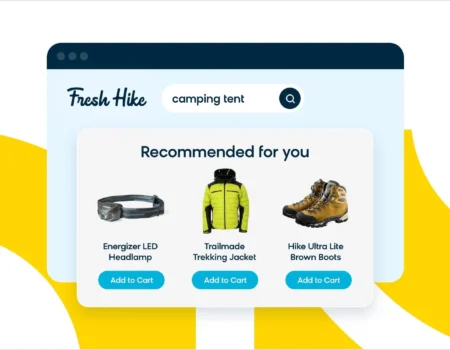
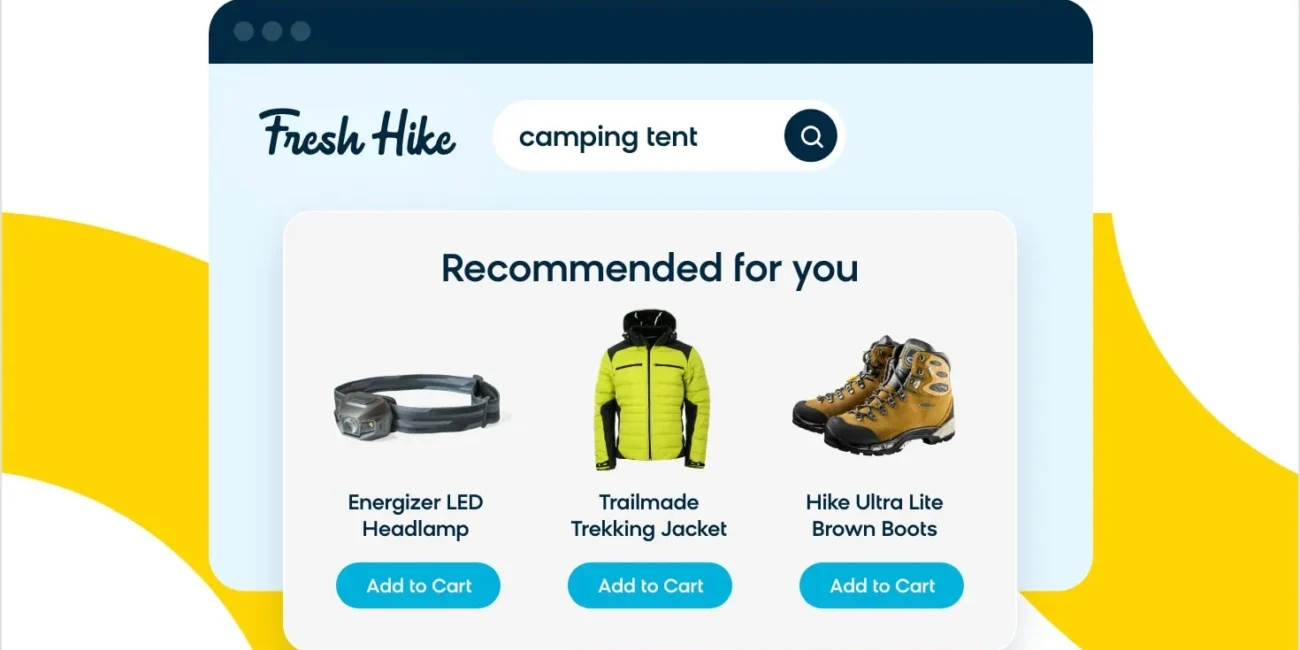
- Product recommendations based on browsing history
- Hero sections tailored to user intent
- Pricing displays adjusted by region or segment
- Call-to-action text optimized per audience type
Example in practice:
A user arriving from a Google search for “best project management tools” might see:
- Comparison tables immediately
- Feature breakdowns
- Enterprise-focused messaging
Meanwhile, a returning visitor might see:
- Recent activity summary
- Saved projects
- Shortcuts to frequently used features
Why it matters:
Dynamic content increases relevance, which directly improves:
- Engagement time
- Conversion rates
- User satisfaction
The more relevant the message, the less effort users need to interpret it.
AI Segmentation: Understanding Users at Scale
Traditional segmentation grouped users into broad categories like “new users” or “returning customers.” AI segmentation takes this much further by analyzing behavioral signals in real time.
How AI segmentation works:
Instead of relying on static rules, AI models analyze:
- Click patterns
- Scroll depth
- Time spent on sections
- Navigation behavior
- Device type and session context
- Past interactions across multiple sessions
What it produces:
Users are continuously grouped into fluid behavioral clusters, such as:
- “High-intent buyers”
- “Information seekers”
- “Comparison shoppers”
- “Price-sensitive visitors”
- “Exploratory browsers”
These segments are not fixed—they evolve as user behavior changes.
Example:
A visitor might start as an “explorer” but shift into a “high-intent buyer” after viewing pricing pages multiple times in one session.
Why AI segmentation is powerful:
- It eliminates rigid audience definitions
- It adapts to real behavior, not assumptions
- It allows micro-targeting at scale without manual rules
The result is a website that understands intent better over time.
Real-Time Adaptation: The Interface That Changes While You Use It

Real-time adaptation is where personalization becomes fully dynamic. Instead of updating content between sessions, websites now adjust during active user interaction.
What real-time adaptation includes:
- Reordering page sections based on scroll behavior
- Adjusting navigation menus dynamically
- Changing CTAs based on engagement level
- Modifying content density for readability
- Highlighting features based on inferred intent
Example scenario:
A user browsing a SaaS landing page:
- Scrolls quickly past feature sections
- Spends more time on pricing
- Returns to testimonials
The system responds by:
- Moving pricing higher on the page
- Emphasizing ROI-focused messaging
- Highlighting customer success stories near CTAs
Why it matters:
Real-time adaptation removes friction by ensuring users always see the most relevant information first.
Instead of forcing users to search for meaning, the interface reorganizes itself around their behavior.
The Role of Predictive UX
Behind real-time adaptation is a layer of predictive user experience design.
What predictive UX does:
- Anticipates next user actions
- Preloads likely content paths
- Adjusts UI elements before interaction happens
- Suggests next steps based on behavioral probability
Example:
If a user repeatedly compares pricing tiers, the system may:
- Surface a “Most Popular Plan” badge
- Expand comparison tables automatically
- Trigger contextual tooltips about differences
Key insight:
Websites are no longer reactive—they are increasingly anticipatory systems.
Personalization Beyond Content: Structural Adaptation
Modern personalization is not limited to text or images. Entire interface structures can now change dynamically.
Structural personalization includes:
- Reordering navigation menus
- Changing homepage layout grids
- Switching between minimal and detailed views
- Adapting dashboard complexity based on user skill level
Example:
- Beginners see simplified dashboards with guided prompts
- Advanced users see dense data visualizations and shortcuts
- Enterprise users see compliance and reporting tools first
Why this matters:
It reduces cognitive overload by matching interface complexity to user capability.
Context-Aware Personalization: Environment Matters
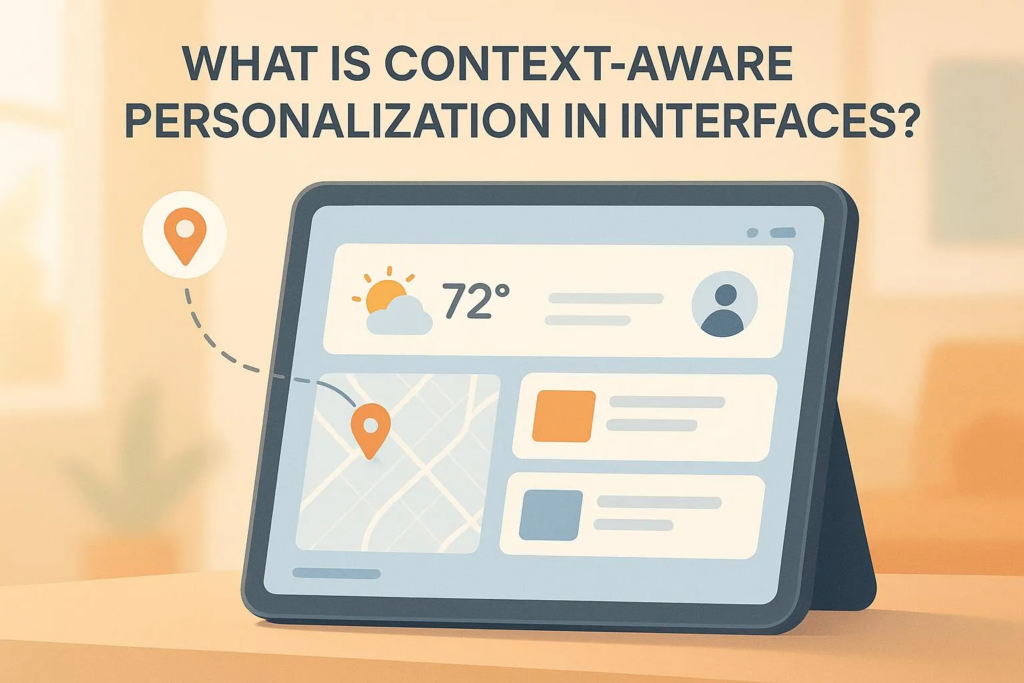
Personalization is not only about who the user is—it’s also about where and how they are accessing the site.
Context signals include:
- Device type (mobile, tablet, desktop)
- Connection speed
- Geographic location
- Time of day
- Language preferences
Example:
A user on a mobile device with a slow connection may see:
- Reduced image sizes
- Simplified layouts
- Faster-loading content blocks
A desktop user on a high-speed connection may see:
- Rich animations
- Expanded visual sections
- Multi-column layouts
Key insight:
Personalization now includes performance-aware design decisions, not just content selection.
Business Impact of Fully Personalized Websites
The shift toward personalization is not just a design trend—it is a performance strategy.
Key benefits:
- Higher conversion rates due to relevance
- Increased engagement through tailored journeys
- Reduced bounce rates
- Improved customer retention
- More efficient marketing spend
Why it works:
Users no longer have to “navigate” irrelevant content. Instead, the interface aligns with their intent automatically.
Challenges of Full Personalization
Despite its advantages, fully personalized web experiences introduce new challenges.
1. Complexity in design systems
Managing multiple UI states requires advanced design architecture.
2. Data dependency
Personalization relies heavily on accurate behavioral data.
3. Privacy concerns
Users may be uncomfortable with extensive tracking and inference.
4. Testing difficulty
Measuring performance becomes harder when no two users see the same interface.
The Future: Adaptive Design Systems
The future of web design is moving toward adaptive systems rather than static pages.
Expected evolution:
- Websites that continuously learn from user interactions
- Interfaces that evolve over time without manual redesigns
- AI-driven personalization engines integrated into design systems
- Fully modular UI components that reassemble dynamically
Designer’s new role:
Instead of designing fixed layouts, designers will:
- Define behavioral rules
- Create adaptable component systems
- Set constraints for AI-driven personalization
- Guide system evolution over time
Final Insight
Websites are becoming personalized because users no longer behave uniformly. They arrive with different goals, contexts, and levels of intent—and static design can no longer serve them efficiently.
Dynamic content, AI segmentation, and real-time adaptation work together to create a new kind of web experience: one that is fluid, responsive, and increasingly individualized.
The result is a shift from designing pages to designing systems that understand and respond to people in real time.
Other Articles

How to Use AI to Speed Up Your Web Design Workflow
Website Performance Optimization Checklist for Developers